Cabinet panels: melamine, MDF, PET and high gloss
Every cabinet starts as a panel.
Melamine (TFL) and MDF are the boards cabinets are built from; PET and high gloss are the faces that doors and fronts are made with.
Panel types
Four panels, named the way the trade orders them
Two are boards, melamine and MDF. Two are faces on an MDF core, PET and high gloss.
Melamine (TFL)
A melamine panel is particleboard or MDF with a decor paper fused to its faces under heat and pressure; the trade calls it TFL, thermally fused laminate. It comes finished, in plain colours and wood grains, which makes it a common board for cabinet boxes, shelves and slab doors.
- Core
- Particleboard or MDF
- Face
- Decor paper fused under heat and pressure
- Used for
- Cabinet boxes, shelves, slab doors
- Brands we work with
- Uniboard, EGGER
MDF
MDF, medium density fibreboard, is made of fine wood fibres bonded with resin and pressed into an even sheet. It cuts and routs cleanly and takes paint well, so it is the core of painted and shaped doors and of the faced panels below.
- Core
- Wood fibres bonded with resin
- Face
- Bare, ready for paint, laminate or film
- Used for
- Painted and shaped doors, faced panels, mouldings
- Brands we work with
- AGT, Uniboard
PET
A PET panel is MDF faced with a film of polyethylene terephthalate, in high gloss or super matte. In cabinetry it is a material for doors and fronts, not the acoustic felt panel that shares the name.
- Core
- MDF
- Face
- PET film, high gloss or super matte
- Used for
- Doors, drawer fronts, end panels
High gloss
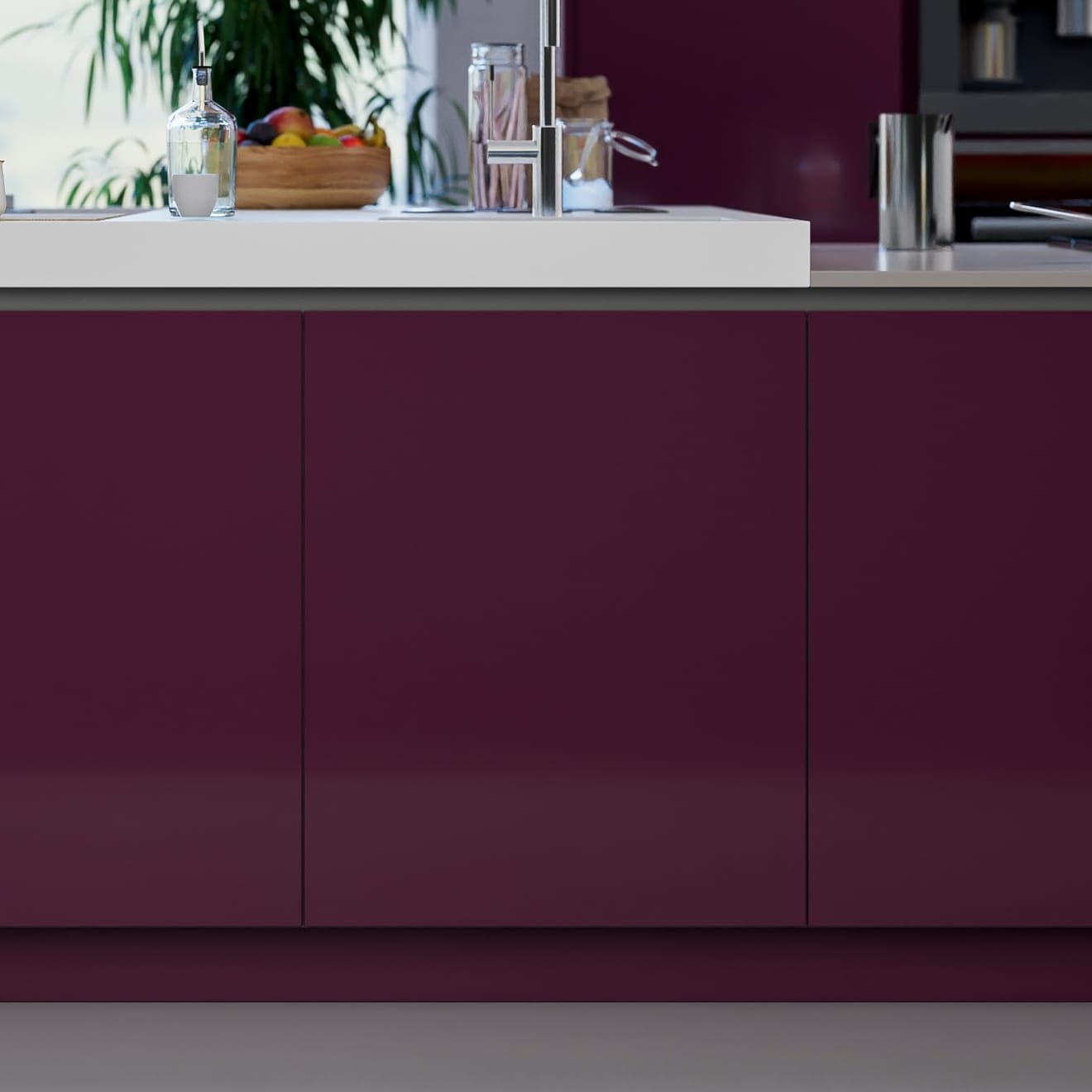
A high gloss panel has a mirror-like face, made with a gloss film, acrylic or lacquer over an MDF core. It reflects light and colour around the room and suits slab doors and handleless fronts.
- Core
- MDF
- Face
- Gloss film, acrylic or lacquer
- Used for
- Slab doors, drawer fronts, end panels
- Brands we work with
- AGT
Door finishes
High gloss and soft touch, room by room
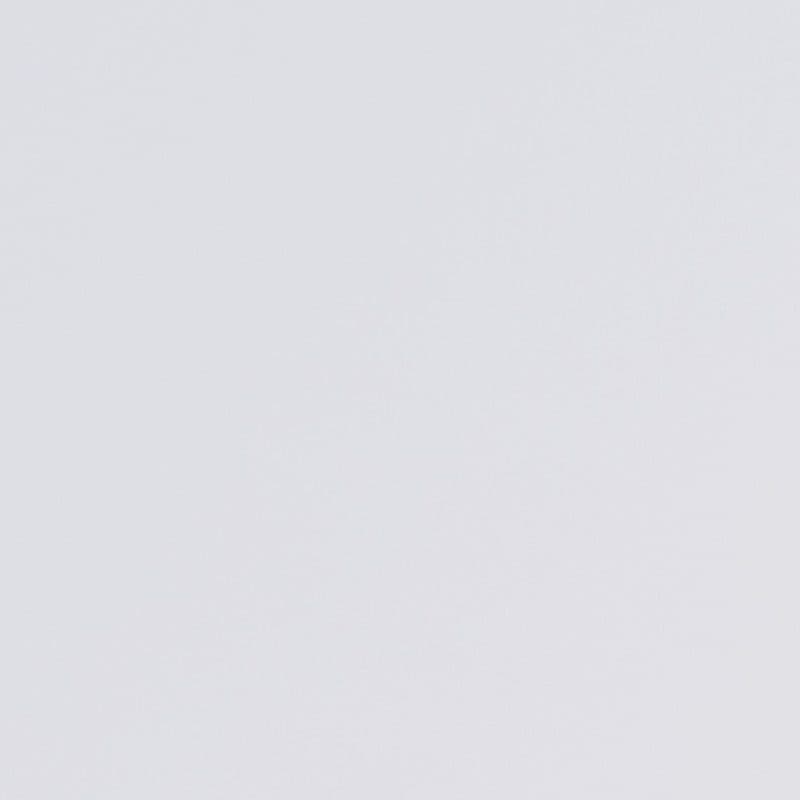
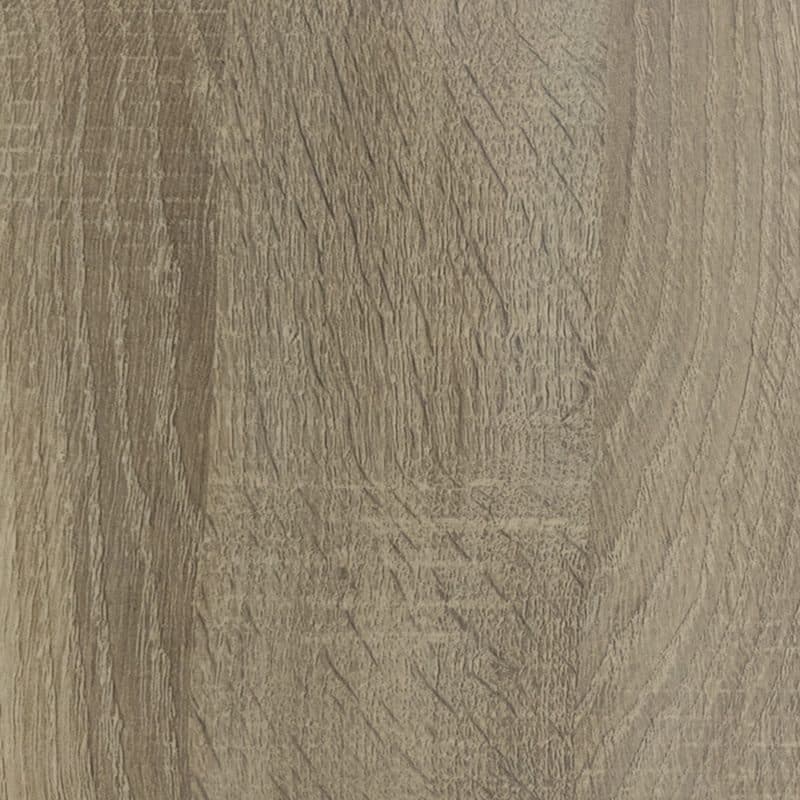
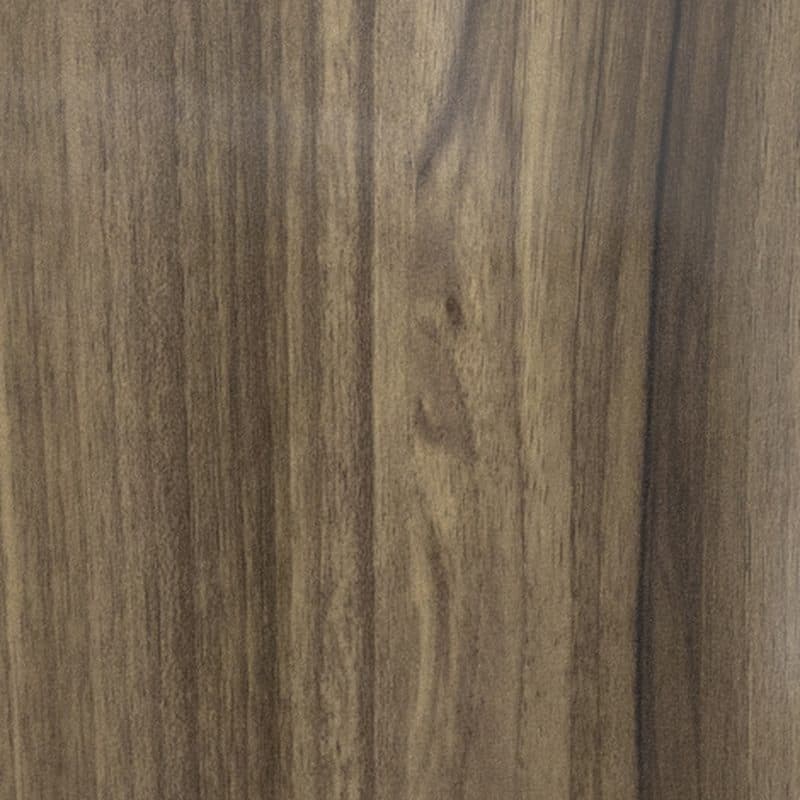
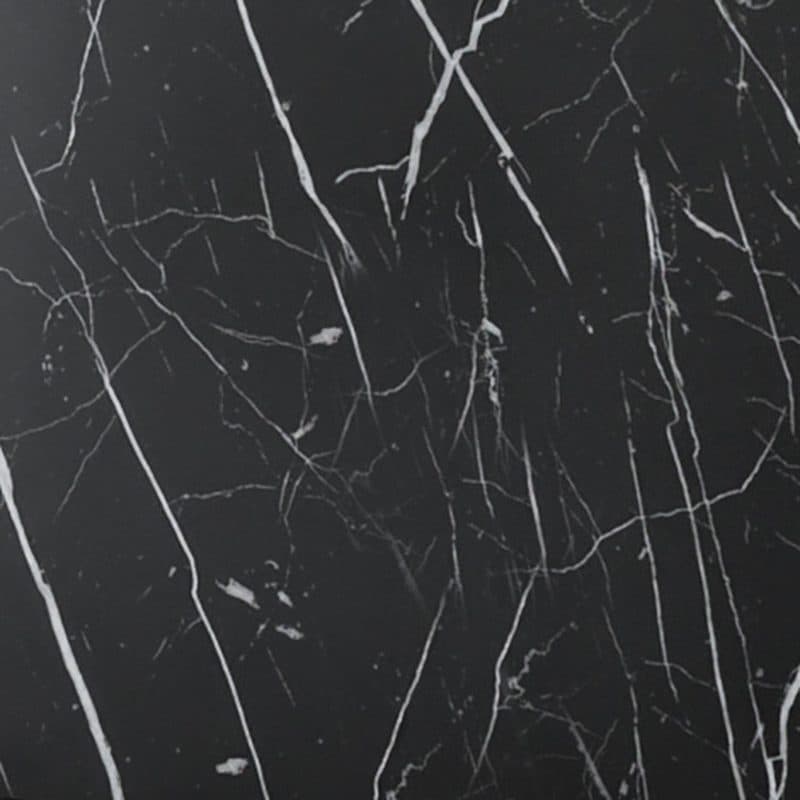
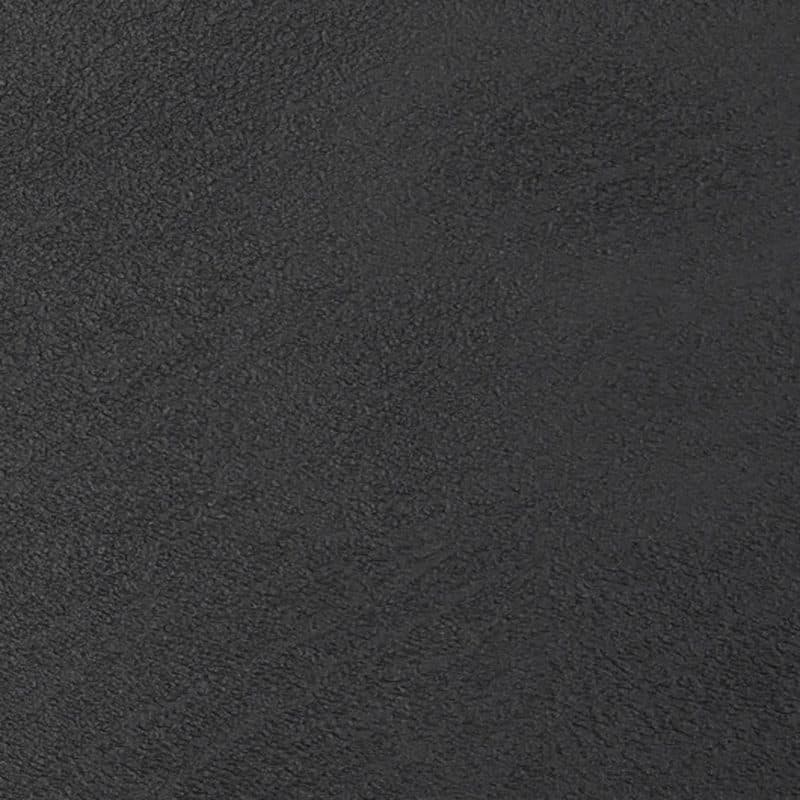
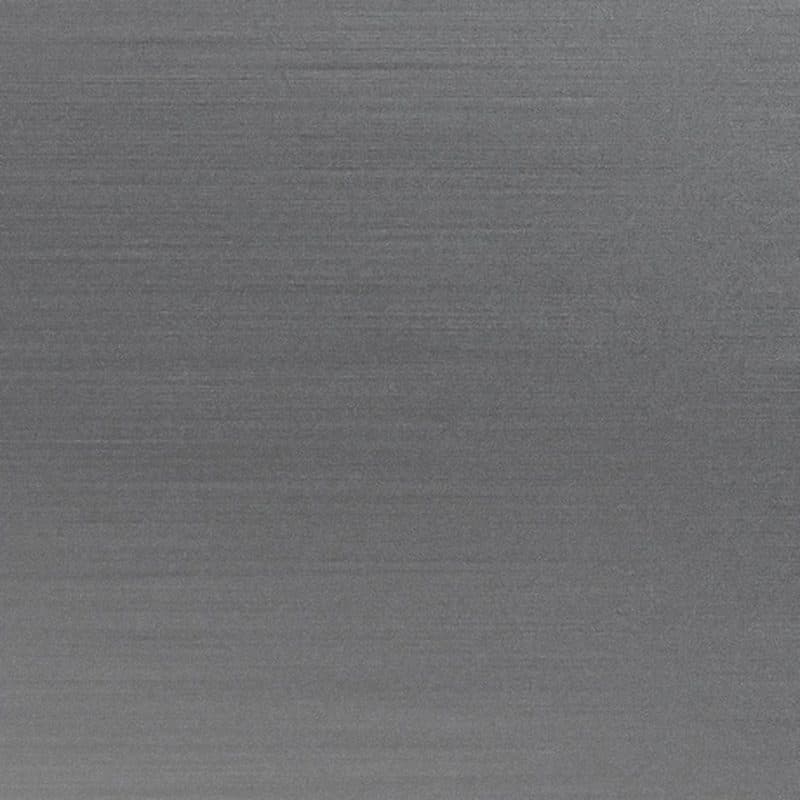
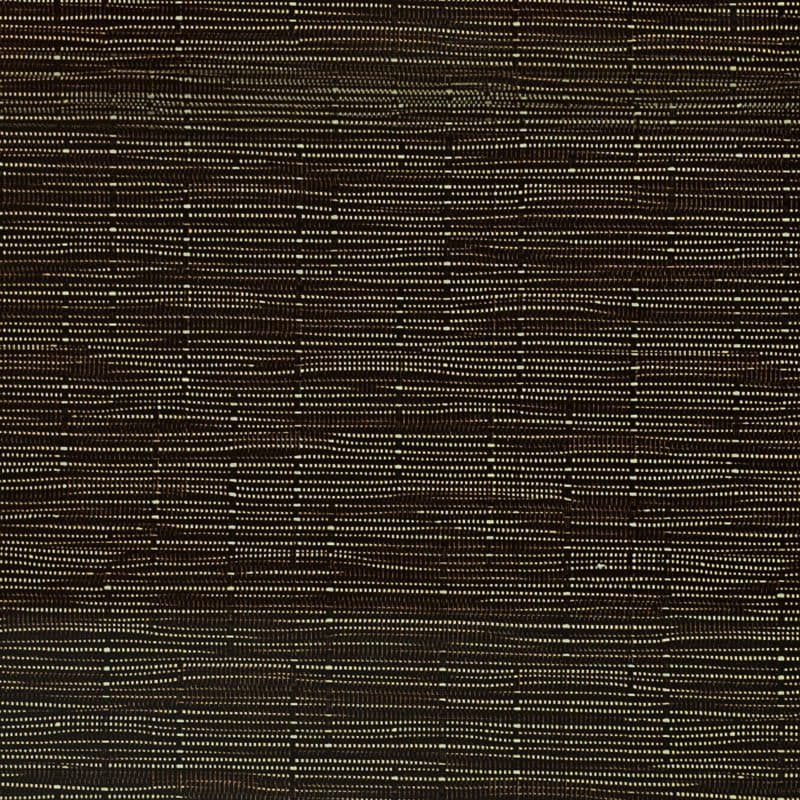
High gloss reflects light and colour back into the room; soft touch is a matte, low-sheen face that is smooth to the hand. Our collection of cabinet door finishes shows each finish in a room, as photoreal 3D renders.
- 18
- High gloss
- 4
- Soft touch
- 1
- Brushed inox look
- SL-01White
- ST-01White
- SL-05Moss Green
- ST-6Water Green
- SL-11Turquoise
- SL-07Plum
- SL-08Burgundy
- ST-04Mink
- SL-09Smoke Grey
- ST-02Storm Grey
- SL-10Anthracite
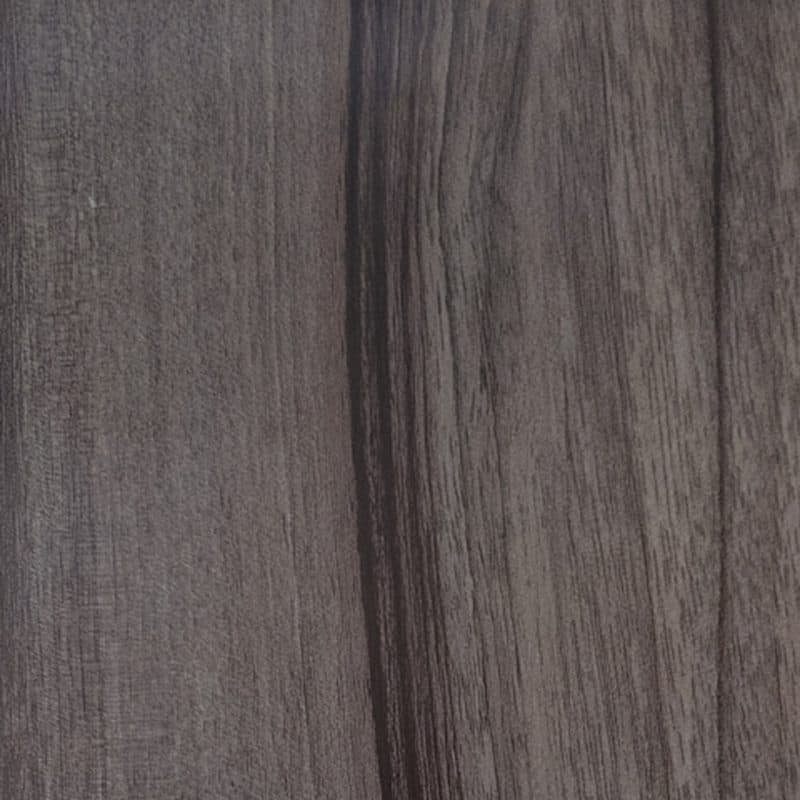
- AH-01German Oak
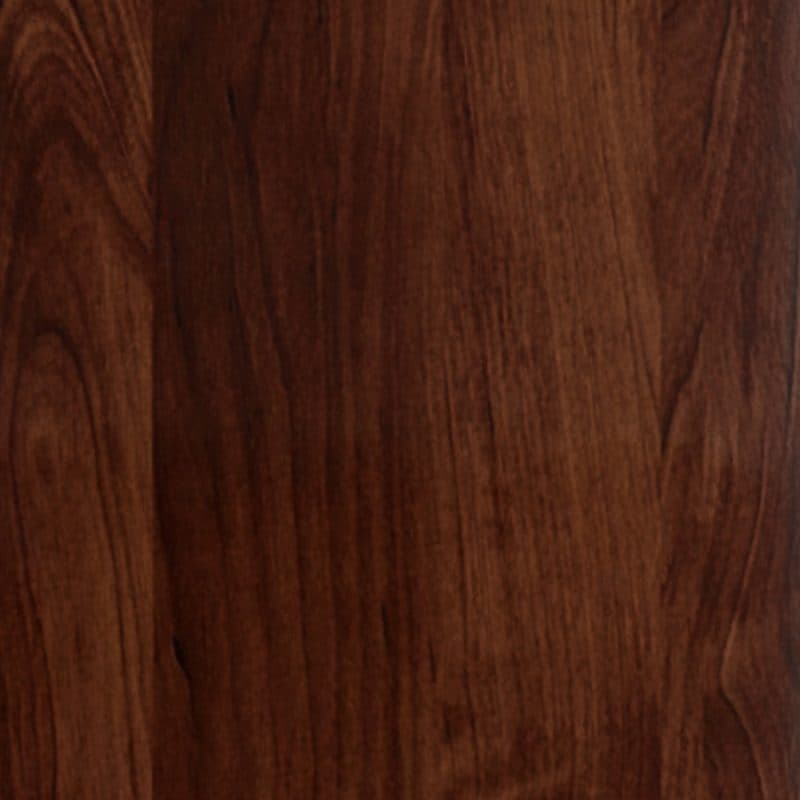
- AH-03Milano Walnut
- AH-02Imperia
- AH-04Oregon Walnut
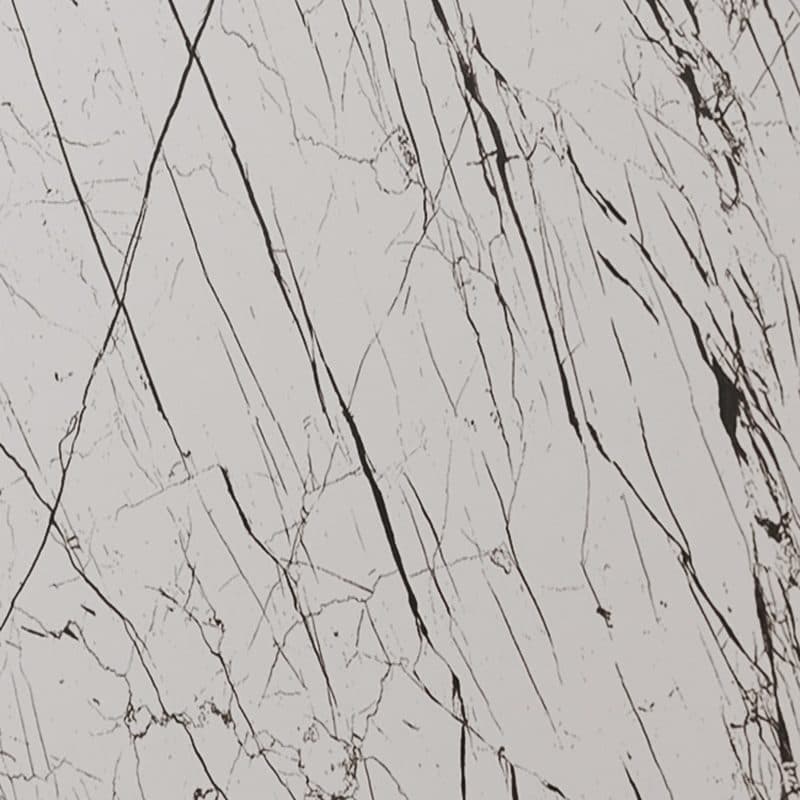
- HL-15Efes Antique White
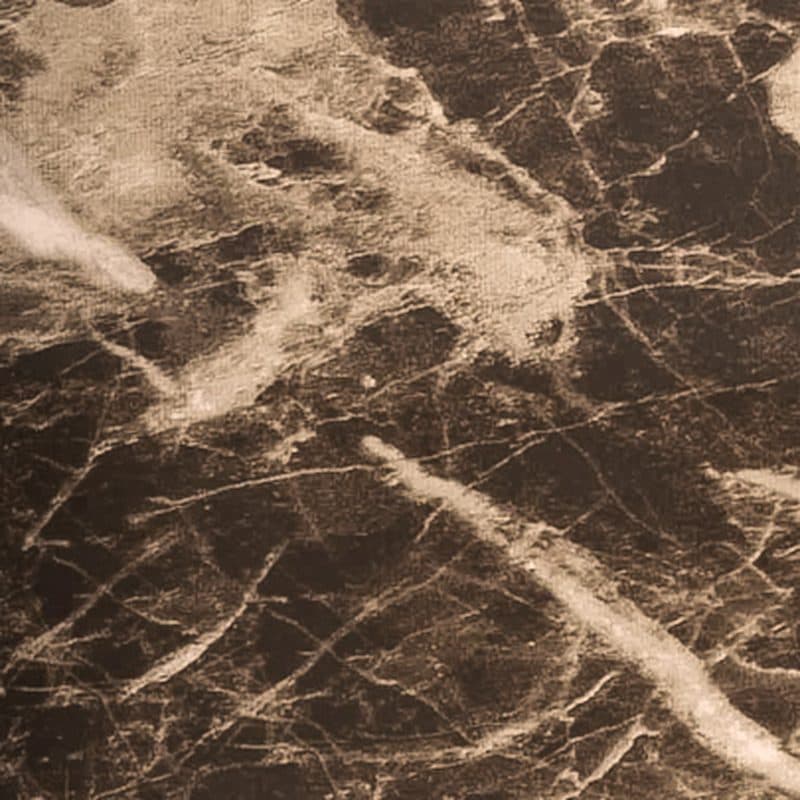
- HL-10Emperador Brown
- HL-16Efes Antique Black
- SN-01Anthracite Stone
- HL-04Galaxy Black
- HL-21Inox
- HL-23Dark Linen
- HL-12Rubik Black











Questions about cabinet panels
What is the difference between melamine and MDF?
Melamine is a finished surface, and MDF is a board. A melamine panel has a decor paper fused to a core of particleboard or MDF, so it needs no finishing; plain MDF has no face of its own and is painted, laminated or faced with film. Melamine is common for cabinet boxes, MDF for painted and shaped doors.
Is TFL the same as melamine?
TFL, thermally fused laminate, is the trade name for melamine panels. The decor paper is saturated with melamine resin and fused straight onto the board under heat and pressure, with no separate laminate sheet.
What is the difference between TFL and HPL?
TFL is a decor paper fused directly onto the board, while HPL, high pressure laminate, is a separate thin sheet of kraft paper layers and a decor paper pressed together at high pressure. HPL is glued onto a core afterwards and is often used for countertops and other work surfaces.
What is moisture-resistant MDF?
Moisture-resistant MDF is made with resins that help the board resist swelling in damp rooms, and it is often dyed green so it can be told apart. It suits sink bases and bathroom vanities, but it is moisture resistant, not waterproof.
Are high gloss panels a good choice for kitchen cabinets?
High gloss panels are a common choice for kitchen doors and fronts, especially slab doors without handles. The mirror-like face reflects light around the room and deepens colour; soft touch gives a matte, low-sheen look instead. Our door collection shows both surfaces, each in a room, as 3D renders.
What does a panel's decor code mean?
A decor code is the panel maker's reference for one exact colour and texture in its catalogue. Codes differ from one brand to the next, so send the brand, the decor code and the thickness when you ask for a quote.
Ask for panels by type and decor
Tell us the panel type, the brand and decor, the thickness and the quantity, and we will prepare a quote.